
Homeowners in older Long Beach neighborhoods often encounter low water pressure and the unsettling sight of rust-colored water coming from taps or showers. These problems point to pipe corrosion and sediment buildup, both of which stem from aging galvanized or iron plumbing common in homes built before the 1980s. Understanding how whole-house repiping resolves these issues will help you make informed decisions about maintaining your property, increasing plumbing reliability, and safeguarding your household’s water quality.
Common Causes of Low Pressure and Rusty Water
Low water pressure and orange-tinted water are more than just inconveniences. Over time, Long Beach’s humid coastal climate can accelerate pipe corrosion. Here are two main culprits:
-
Galvanized steel pipes: As they age, minerals in the water react with the metal, creating rust and narrowing pipe interiors.
-
Sediment and scale: Accumulated minerals and rust flakes reduce flow rates and can flush out as rusty or brown water.
As corrosion advances, pinhole leaks and frequent repairs become the norm, signaling a deeper systemic issue instead of minor plumbing fixes.
Warning Signs Repiping May Be Necessary
Early detection helps avoid water damage or more significant restoration projects later. You should take note if you encounter:
-
Frequent drops in water pressure, especially when using two fixtures at once.
-
Persistent rust, yellow, or brown discoloration in tap or laundry water.
-
Unusual metallic tastes or odors in your water supply.
-
Damp spots or unexpected increases in your utility bill due to hidden leaks.
These indicators point to plumbing pipes that can no longer provide safe, clean, and reliable water delivery.
How Whole-House Repiping Offers a Solution
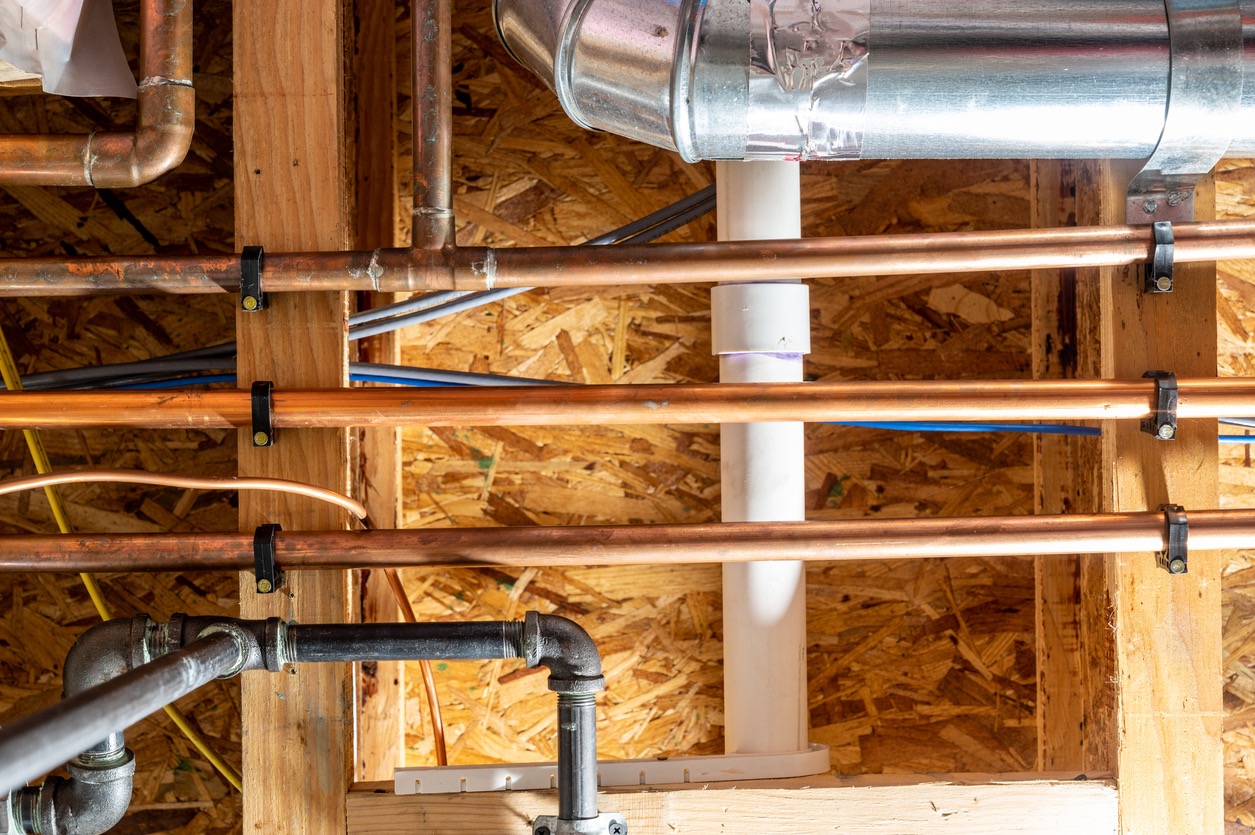
Whole-house repiping involves replacing outdated pipe systems with new, modern piping, often copper or cross-linked polyethylene (PEX). Here’s why it works:
-
Restores Water Pressure: New, unobstructed pipes remove internal blockages, providing consistent flow throughout your home. After repiping, homes in Long Beach often regain the pressure needed for multiple simultaneous showers or appliance use.
-
Eliminates Discoloration and Odor: Modern materials are more resistant to corrosion and mineral buildup. Your water stays clear, clean, and odor-free.
-
Reduces Ongoing Repairs: Rather than addressing leaks or section replacements one at a time, a full-system upgrade means less recurring maintenance and greater peace of mind.
-
Boosts Property Value: Upgraded plumbing is a major selling point, especially in areas where older homes are common.
Clients in Long Beach who opted for copper repiping or a blend of PEX and copper piping consistently report improved water quality and substantial reductions in plumbing emergencies.
What to Discuss With Your Repiping Contractor
When you begin planning your project with a professional plumbing service, consider these options and discussion points to ensure the best results:
-
Which piping material fits your budget, water needs, and property type, copper repiping or PEX?
-
How invasive will the process be, and can the plumber minimize wall or floor disruption?
-
Are there seasonal scheduling or local permitting concerns specific to Long Beach?
-
Will your plumbing contractor provide clear warranties or guarantee long-term performance?
A reputable, local professional can guide you through material selection, code compliance, and the installation timeline, ensuring your home’s plumbing system meets current standards.
Restore Your Water Quality and Pressure in Long Beach, CA
If you’re experiencing chronic low water pressure or rust-colored water, it’s time to discuss a permanent solution. Whole-house repiping can modernize your home’s plumbing and deliver clean, reliable water. Contact A1 Copper Repipes Inc. of Long Beach, CA at (562) 423-0777 or fill out our online form to schedule a free in-home assessment. Our Long Beach-based team is ready to help you upgrade your plumbing system with durable, high-quality solutions.