
Slab leaks in older Long Beach homes are more common than most homeowners realize, especially with the aging water lines frequently found beneath concrete foundations. Southern California’s mix of shifting soils, past seismic activity, and decades-old copper piping can all raise the risk of a hidden water line starting to leak under your slab. Understanding the slab leak detection and repair process, as well as how insurance and permits factor in, gives you the upper hand when dealing with this significant yet solvable issue.
How Slab Leaks Are Detected in Older Long Beach Homes
Spotting a slab leak early can save thousands in damages. Local homes, especially those built before the 1970s, often use copper piping under thick concrete, which over time may corrode due to mineral-heavy municipal water or even small quakes. The most reliable slab leak detection starts with professional leak tests—these use sensitive ultrasonic listening devices and infrared thermography to pinpoint where the water is escaping.
Key clues Long Beach homeowners notice include:
-
Sudden increases in the water bill
-
Warm or damp spots on the floor
-
The sound of running water when taps are off
-
Lower water pressure throughout the home
Rather than damaging your floors, a licensed plumbing contractor Long Beach can trace leaks non-invasively before planning repairs.
Proven, Non-Destructive Slab Leak Repair Methods
Long Beach’s older housing stock doesn’t always respond well to traditional jackhammer-and-repair approaches. Instead, current best practices focus on:
-
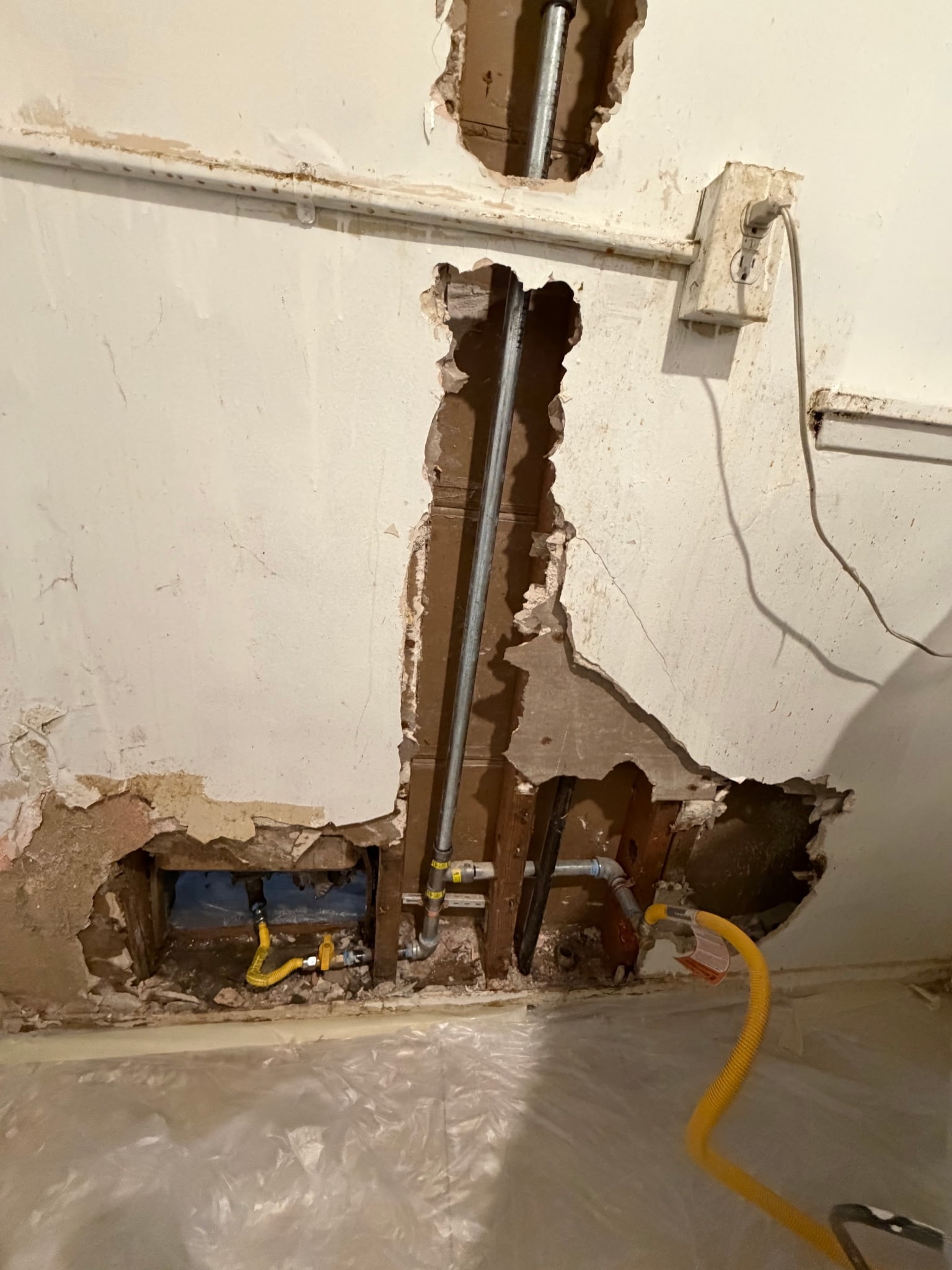
Rerouting water lines through attics or walls where accessible, bypassing the slab
-
Using advanced pipe liners when conditions allow
-
Opting for full copper repiping Long Beach if systemic pipe corrosion is present
Because each solution depends on your home’s layout and the severity of corrosion, it’s crucial to hire a contractor who understands the unique construction characteristics of vintage Southern California houses.
What Homeowners Should Know: Insurance and Permit Guidance
The insurance and permitting process surprises many homeowners. It’s important to remember:
-
Homeowners insurance may help cover the cost of tearing out and replacing the slab and flooring for access to the leak, but usually not the plumbing repair itself
-
Filing claims promptly is critical; keep documentation and photographs of all damages and repairs
-
Long Beach requires a plumbing permit for any under-slab line replacement or reroute. Inspections are mandatory to ensure code compliance
-
Your plumbing contractor should handle all permit applications and pull inspections, saving you time and stress
Homeowners often miss that failing to pull the right permits can delay insurance payouts and even stall resale transactions years later. Working with a licensed contractor keeps you protected and ensures your claim is processed smoothly.
The Value of a Licensed Long Beach Plumbing Contractor
Choosing a local, licensed professional means getting more than technical skills. A reputable plumbing contractor knows Long Beach’s specific building codes and can help advocate for you with both city inspectors and claims adjusters. If you ever need proof of proper repairs or compliance for future buyers, the right paperwork and licensed oversight are essential. They also ensure you know about any local rebates or assistance for repiping or water conservation upgrades, which can defray your out-of-pocket cost.
Contact A1 Copper Repipes Inc. Today
If you suspect a slab leak, or have questions about insurance/permit guidance for slab leak repair, A1 Copper Repipes Inc. of Long Beach, CA, is ready to help. Our team specializes in reliable slab leak detection and copper repiping Long Beach services, navigating the permitting and claims process seamlessly. Call (562) 423-0777 today or fill out our simple online form to schedule your inspection and protect your home’s foundation.